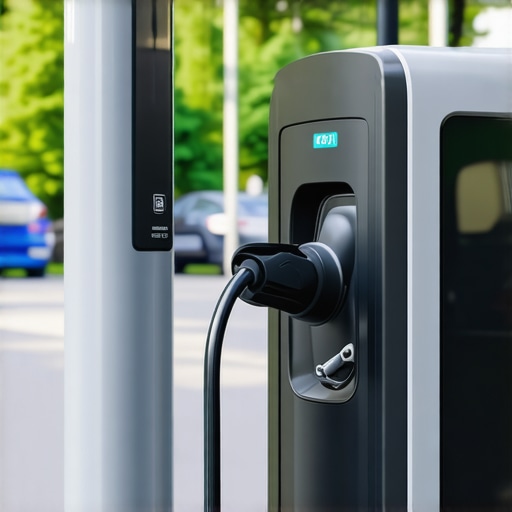

Does Your EV Charger Need a Disconnect? 3 New 2026 Rules
I remember the exact moment I realized my EV charger was causing more headaches than charging my car. It was a chilly evening, and I was about to head out when suddenly, the charger stopped working. After a frantic troubleshooting session, I dug into the new regulations looming in 2026 and thought, “Am I doing everything right?” That lightbulb moment made me reevaluate my entire setup and realize many EV owners are facing the same confusing questions. One of the biggest concerns I kept bumping into was whether their charger needs a disconnect as per the upcoming rules. If you’ve recently had trouble with your charger tripping or just want to be prepared for the new standards, you’re not alone.
Getting Ahead of the 2026 Rules: Why It All Matters
Electrification isn’t just the future; it’s rapidly becoming the present. With the government’s latest updates for 2026, EV charging installations are more scrutinized than ever before. These new rules are designed to ensure safety, improve reliability, and prevent costly code violations. But let’s be honest—navigating these changes can feel overwhelming. I’ve seen many homeowners, myself included initially, stumble over misunderstood requirements, leading to unnecessary expenses and frustrations. One mistake I made early on was overlooking the importance of understanding whether a disconnect is mandated for my setup. That oversight could have landed me in hot water during a compliance check. Thankfully, I caught it in time by doing thorough research and consulting reliable sources like the National Electrical Code (NEC). According to a recent report, improper installations are among the leading causes of EV charger malfunctions and non-compliance issues at home. So, it’s clear—staying updated isn’t just about avoiding fines; it’s about keeping your home safe and ensuring your charger performs flawlessly.
Have You Faced This Problem? Let’s Talk About It
If you’ve ever wondered whether your current setup meets the new 2026 guidelines or had your panel trip unexpectedly, you’re in good company. Many EV owners are trying to decode these regulations and adapt without pulling their hair out. The good news is that understanding exactly what your installation needs—like whether a disconnect is required—can save you a lot of trouble down the line. To get practical advice on how to ensure your setup complies and functions smoothly, keep reading. We’ll explore the critical steps to assess and upgrade your panel, troubleshoot common issues, and stay ahead of the game. Ready to make sure your home is truly prepared for the coming changes? Let’s dive into the details and clear up some of the confusion.
Assess Your Electrical Panel Now
The first step is to evaluate whether your existing electrical panel can handle the increased load from your EV charger. Think of your panel as a highway; if it’s already congested, adding another lane (charger) could cause traffic jams, leading to trips or system failures. Start by checking your panel’s amperage; a standard 100-amp panel may be insufficient for dual chargers or high-capacity setups. Use a reliable multimeter or consult a professional to verify if your panel meets the requirements outlined in the latest panel upgrade guidelines. If you find your panel lacking, plan a upgrade immediately to avoid costly penalties or safety hazards. When in doubt, contacting a licensed electrician is your best move.
Upgrade to a Code-Compliant Panel
Once you’ve identified that an upgrade is necessary, focus on a panel that complies with the new 2026 standards. The upgrade isn’t just about capacity; it involves ensuring the wiring, breaker size, and grounding are all up to code. Think of this process like renovating a highway to support autonomous vehicles—every component plays a role in ensuring safe and efficient operation. For practical guidance, visit this resource that details what to expect during your panel upgrade. A licensed electrician will assess your current system and install a panel designed specifically to handle multi-vehicle charging, smart load management, and future expansion, giving you peace of mind ahead of the regulation deadline.
Connect and Configure Your Charger Correctly
With your upgraded panel in place, the next step is installing and configuring your EV charger in compliance with all code requirements. Picture your electrical system as a network of pipes; proper connections prevent leaks (faults) and ensure smooth flow (power). If your setup includes a disconnect switch, it must meet specific distances and accessibility codes. Remember, this isn’t just about plugging in; it involves precise wiring, proper breaker sizing, and testing. To ensure full compliance, double-check your work against code guidelines. A professional installation guarantees your system is safe, reliable, and ready to face the 2026 standards.
Troubleshoot and Monitor Performance Regularly
Post-installation, keeping an eye on your system is critical. Common issues such as tripping breakers or inconsistent charging speeds resemble traffic jams on your highway, caused by improper connections or overheating. Use troubleshooting guides like expert troubleshooting tips to diagnose problems early. Regular maintenance, including inspecting wiring for wear and testing voltage levels, ensures your setup remains efficient and compliant. Think of this as routine patrols along your highway, preventing accidents before they happen—saving you time, money, and stress when you need your EV the most.
Stay Updated on Regulations and Best Practices
The landscape of EV charging and electrical codes evolves constantly. Commit to staying informed through reputable sources and periodic inspections. This proactive approach acts like a GPS that reroutes you around roadblocks, ensuring your home remains compliant and your EV charges seamlessly. For comprehensive guidance, follow this detailed verification process to confirm your setup meets all current regulations. Taking these steps now secures your investment and prepares you for any future upgrades or regulation changes, making your EV charging experience both safe and efficient.Many EV owners assume that installing a charger and ensuring code compliance is straightforward, but the real nuances often trip people up. A common myth is that existing panels will always suffice for new regulations; in reality, outdated panels often need upgrades to meet the 2026 standards, otherwise risking non-compliance and safety hazards. Another misconception is that follow-the-book installations guarantee perfect operation. However, wiring errors or overlooked details like proper grounding can cause chargers to malfunction or trip breakers unexpectedly, leading to costly troubleshooting. Additionally, there’s a trap in underestimating the importance of load calculations. Without precise assessment, you might overload your panel, which could compromise safety and cause frequent resets. Advanced mistakes include neglecting future expansion—many overlook that today’s setup might not support multiple EVs tomorrow, especially with the new load management rules. Don’t assume your installation is foolproof; a small oversight can lead to significant issues down the line. To avoid these pitfalls, consult detailed resources on panel upgrades and always verify your setup adheres to all code requirements. Moreover, regular troubleshooting is essential—issues like connectivity drops or overheating often hide behind seemingly minor problems. Recognizing the subtle signs requires expertise, so don’t hesitate to seek professional advice when in doubt. Remember, many pitfalls stem from a lack of awareness about the complexity behind EV charging compliance and system reliability. Have you ever fallen into this trap? Let me know in the comments.
Choosing the Right Tools to Maintain Your EV Setup
Ensuring your EV charger remains efficient and compliant isn’t a one-and-done task; it requires specific tools and a routine approach. I personally rely on a high-quality clamp meter for load verification and a digital multimeter with True RMS capabilities to measure voltage and current accurately. These instruments help me identify subtle wiring issues or load imbalances before they escalate into safety hazards or code violations. For regular testing, I also swear by a Wi-Fi-enabled monitoring system that logs power usage and detects anomalies in real-time, so I can address problems proactively. Investing in these tools has saved me significant time and money, especially during compliance audits or troubleshooting unexpected trips.
Implement Scheduled Maintenance for Longevity
Set a quarterly schedule to inspect your electrical connections, ensure circuit breakers are functioning correctly, and verify that your load management features operate as intended. I find that documenting these checks helps track changes over time and catches patterns that might indicate future issues. Keep an eye out for signs like flickering lights or breaker trips, which can point to underlying wiring faults or panel overloads that need professional attention. Remember, meticulous maintenance not only extends the lifespan of your system but also guarantees safety and optimal charging speeds. For in-depth guidance, consulting expert resources or contacting a licensed electrician is invaluable.
Future-Proof Your System with Software and Firmware Updates
Modern EV chargers often come with firmware that can be updated remotely, enhancing functions and fixing bugs. I recommend manufacturing software regularly for your charger and monitoring system to stay compatible with the latest standards and security patches. Staying current with software updates ensures improved performance, energy efficiency, and compliance with evolving regulations. Some systems even include automatic updates, but it’s worth verifying that your equipment supports this feature. To remain ahead of the curve, join manufacturer mailing lists or online communities, where experts discuss compatibility and troubleshooting insights. Remember, maintaining compatibility with software is as crucial as hardware upgrades for a reliable, long-term charging experience.
What Are the Best Practices for Long-Term Panel Management
Over time, panels can accumulate dust, corrosion, or experience wear that compromises safety and efficiency. I regularly schedule professional inspections to assess breaker health, wire integrity, and grounding systems. Upgrading to a panel with smart load management capabilities can also help balance multiple chargers, preventing overloads and ensuring code compliance, especially with upcoming 2026 regulations. When considering upgrades, focus on panels that support future expansion and integrate seamlessly with smart home systems. This approach not only improves reliability but also simplifies troubleshooting and maintenance, saving you headaches down the line. For detailed insights on panel upgrades, check out this guide.
How do I keep my EV charging system working flawlessly over time?
Regular diagnostics using specialized tools, scheduled maintenance, keeping software updated, and proactive panel management are the pillars of reliable EV charging. For advanced troubleshooting, leveraging professional-grade tools like clamp meters and Wi-Fi monitoring systems helps catch issues early and maintain code compliance. As the technology evolves, integrating smart load management and firmware updates will become even more essential. Start with one actionable step—like investing in a good multimeter or scheduling a professional panel inspection—and build your routine from there. Staying proactive ensures your system performs at peak efficiency and adheres to all safety standards. If you’re ready to take your setup to the next level, consider implementing a smart monitoring solution and regularly referencing expert resources such as this comprehensive panel upgrade advice.
The Hardest Lesson I Learned About EV Charger, Code Compliance, Panel Upgrades, Troubleshooting
One of my biggest realizations was that rushing into an EV charger installation without fully understanding the nuances of code compliance and panel capacity can lead to costly setbacks. I’ve learned the importance of patience and thorough research, especially when it comes to ensuring my setup can handle future demands. This insight has saved me from unnecessary repairs and potential safety hazards.
3 Myths About EV Charging Systems That Might Hold You Back
Many believe that existing panels are always enough for new EV chargers, or that professional installation guarantees perfection. In reality, outdated panels often require upgrades, and overlooked details like proper grounding can cause system malfunctions. Busting these myths early can help you avoid pitfalls and ensure a safer, more reliable charging experience.
What Experts Won’t Tell You About Maintaining Your EV Setup
While many focus on initial installation, ongoing maintenance is crucial. Regular inspections, software updates, and load management can extend your system’s lifespan and prevent unexpected failures. Learning these insider tips has transformed how I care for my EV charging system, keeping it efficient and compliant.
Curated Resources to Elevate Your EV Charging Knowledge
My essential toolkit includes a digital multimeter and Wi-Fi monitoring system, which provide real-time insights into my system’s health. I often consult comprehensive guides like panel upgrade guidelines to stay ahead of code changes, and expert troubleshooting tips for quick fixes. These resources have been invaluable in maintaining a safe and reliable setup.
Your Next Step Towards Smarter Charging
Embracing these insights empowers you to take control of your EV charging system, ensuring safety, efficiency, and compliance with upcoming standards. Whether it’s upgrading your panel or mastering troubleshooting, your proactive approach will make a significant difference. Don’t wait until problems arise—start applying these lessons today and be prepared for the future of electric vehicle charging.
Have you ever faced unexpected breaker trips or wondered if your setup meets new regulations? Share your experiences below—I’d love to hear your stories and insights.
This article hits close to home for me—I recently had to upgrade my electrical panel to meet the new 2026 standards after experiencing repeated breaker trips while charging my EV. What stood out is the importance of proper load assessment and understanding whether a disconnect switch is truly required. I initially assumed my existing panel could handle everything, but after consulting with a licensed electrician and reviewing the NEC guidelines, I realized I needed a full panel upgrade to ensure safety and compliance. My question is, how do others handle the balance between future expansion and current load capacity? With EV technology evolving rapidly, it’s tempting to plan for multiple chargers now, but that can complicate the system and increase upfront costs. How do you strike the right balance between preparedness and practical wiring limits?